
The Streaming Revolution
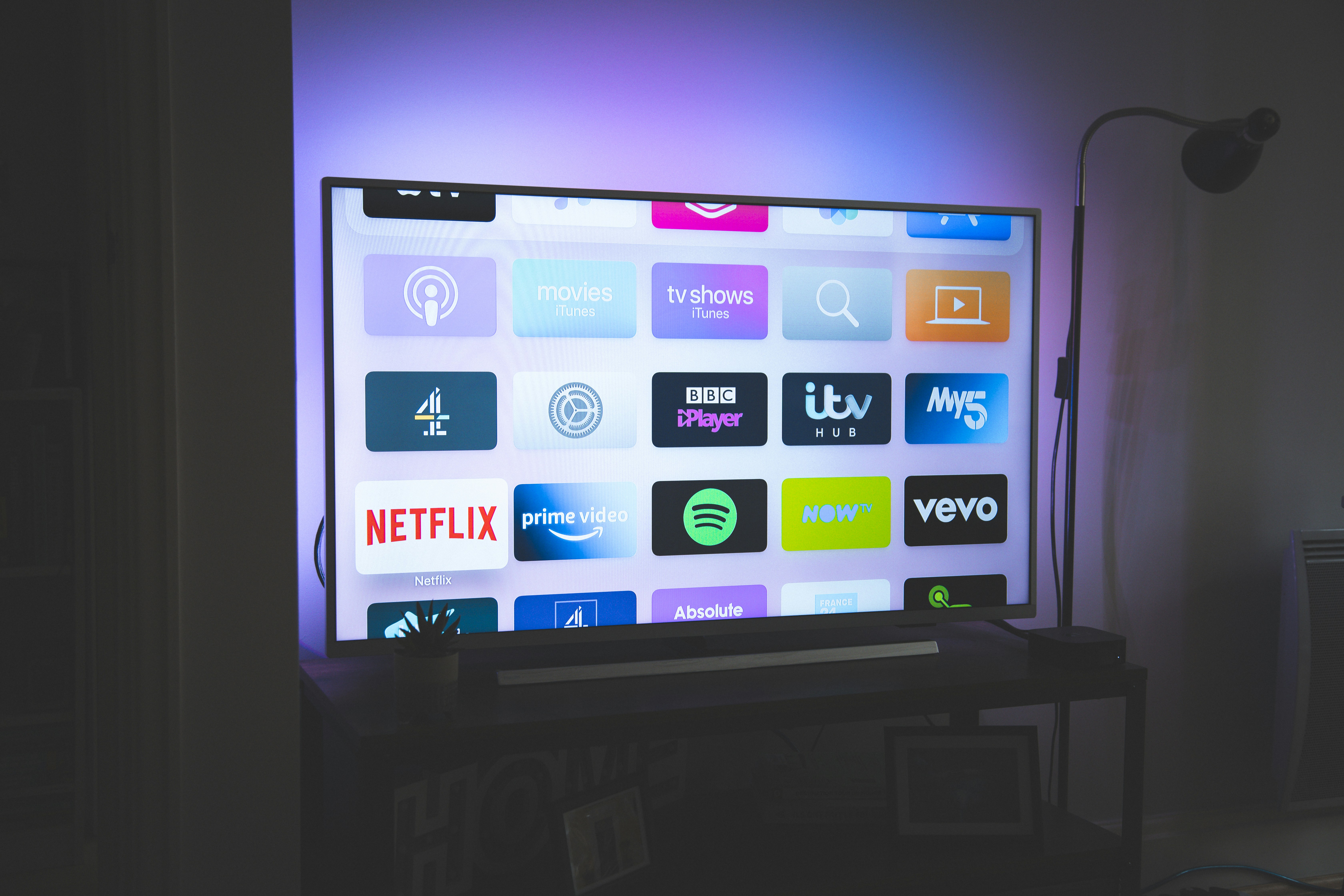
The evolution of technology has aligned seamlessly with consumer demands, birthing a new era of media consumption known as the streaming revolution. Over the past decade, the entertainment landscape has transitioned dramatically from traditional forms, such as physical media like DVDs and CDs, to digital streaming platforms. Services such as Netflix, Hulu, Prime Video, and Spotify have redefined how we access, share, and enjoy content. This transformation signifies not only a shift in the medium but also in consumer behavior and expectations.
Digital streaming offers unparalleled convenience and accessibility. With just a few clicks, viewers can watch movies, listen to music, and even engage in live broadcasts from the comfort of their homes or on-the-go devices. The immediacy of streaming services allows for a vast library of content to be available at any given moment, catering to varied tastes and preferences. This model has significantly personalized the viewer experience and changed the economics of entertainment production and distribution. No longer bound by the limitations of physical inventory or geographic availability, streaming has democratized access to content on a global scale.
While the advantages of streaming services are apparent, it is imperative to consider the hidden environmental costs associated with this digital convenience. Each time a consumer streams a movie or listens to a song, it requires considerable energy consumption by data centers and networks. As the popularity of these services continues to surge, the environmental impact becomes increasingly more significant. Thus, while streaming may offer ease and immediate gratification to users, it simultaneously raises crucial questions about sustainability and the ecological footprint of our modern entertainment habits.
The Energy Demand of Streaming
In recent years, streaming services have gained immense popularity, transforming how we consume media. However, the convenience of accessing vast libraries of video and music on-demand comes with a significant environmental impact, particularly regarding energy consumption. The infrastructure required to support streaming involves extensive energy use in several key areas, chiefly data centers, end-user devices, and the network infrastructure that interconnects them.
Data centers, which house the servers that store and deliver streaming content, are among the most energy-intensive components of the equation. They require considerable power not only to operate servers but also to manage the necessary cooling systems to prevent overheating. A single data center can consume as much electricity as thousands of homes, especially during peak streaming hours when millions of users access content simultaneously. As the demand for high-definition video grows, so does the energy requirement, reinforcing the need for more powerful servers and advanced cooling technologies.
Additionally, user devices such as smartphones, tablets, laptops, and smart TVs contribute to the overall energy demand when streaming content. The constant usage of these devices, often while plugged into power sources, magnifies energy consumption much more than traditional media methods, such as DVDs or cable television. For context, while a DVD player typically consumes less electricity during operation, streaming requires a continuous power feed, particularly when multiple devices are in use by a single household.
Moreover, the shift to streaming services has exacerbated the load on power grids, especially during peak demand periods. This increasing demand prompts providers to often rely on fossil fuel sources to meet consumption needs, further amplifying the environmental cost of streaming. In comparison to traditional media consumption methods, streaming has an undeniably larger energy footprint, which, when accumulated over billions of users, becomes substantially significant.
Carbon Footprint of Data Centers
The backbone of the streaming industry is powered by data centers, essential infrastructures that store and deliver digital content to users across the globe. However, these facilities come with a significant carbon footprint, heavily influenced by their energy consumption and operational methods. Data centers primarily rely on vast amounts of electricity to ensure 24/7 availability of streaming services, leading to increased greenhouse gas emissions.
The energy sources powering these data centers vary considerably, with many facilities still dependent on non-renewable resources such as coal and natural gas. This reliance exacerbates their carbon impact, as fossil fuels are known to be the largest contributors to global warming. While some data centers are transitioning towards renewable energy sources like wind, solar, and hydroelectric power, the pace of this shift does not match the escalating demand for data consumption and streaming services.
In addition to energy sourcing, the cooling systems within data centers play a vital role in maintaining optimal operating temperatures. Most data centers utilize energy-intensive cooling methods to regulate heat generated by servers. Innovations in cooling technologies, such as liquid cooling and free-air cooling, can mitigate energy use, yet adoption across the industry remains inconsistent.
Geographical spread is another consideration impacting the environmental consequences of data centers. Facilities located in regions where renewable energy is abundant can offer lower emissions; however, many data centers are situated in areas with limited access to green alternatives. Understanding the geographic distribution combined with energy sources underscores the pivotal role these infrastructures have in the streaming ecosystem.
The Lifecycle of Electronic Devices
In the realm of modern technology, electronic devices such as smartphones, tablets, laptops, and smart televisions have become integral to our daily lives. However, the lifecycle of these devices entails significant environmental costs that are often overlooked. From the initial stages of resource extraction for manufacturing to the challenges posed by electronic waste, the implications of our reliance on consumer electronics are profound.
The first phase of a device’s lifecycle begins with resource extraction, which involves the mining of minerals like lithium, cobalt, and rare earth elements. These resources are essential for the production of batteries and electronic components, yet their extraction frequently results in extensive ecological damage. For example, mining processes can lead to soil degradation, water pollution, and loss of biodiversity. Additionally, the energy consumed during manufacturing processes contributes further to greenhouse gas emissions, compounding the environmental footprint.
After a device reaches the end of its useful life, it often becomes part of a growing electronic waste problem. Electronic waste, or e-waste, encompasses discarded devices that can leach toxic substances into the soil and water, posing health risks to nearby communities. Many consumers are unaware that recycling rates for e-waste remain alarmingly low, with a substantial portion ending up in landfills. This improper disposal exacerbates the environmental burden as harmful chemicals from these devices can contaminate the environment, leading to long-term ecological issues.
Moreover, the rapid pace of technological advancement encourages a culture of obsolescence, where consumers frequently upgrade to the latest models. This trend not only perpetuates the demand for new electronic devices but also further amplifies the cycle of resource extraction and e-waste generation. The cumulative effect of these practices underscores the necessity for a more sustainable approach to electronic consumption, emphasizing the importance of recycling, refurbishing, and responsible production practices.
Network Demand and Infrastructure Stress
The rapid escalation of streaming services has led to a significant increase in network demand, placing considerable stress on existing infrastructure. As consumers embrace digital platforms for entertainment, the volume of data generated has surged, prompting service providers to expand their bandwidth capabilities. However, this expansion has its drawbacks, primarily in the form of heightened energy consumption at transmission facilities.
Transmission facilities that distribute data for streaming services often require substantial energy resources to handle the increased traffic. The more users stream content, the more energy these facilities consume, raising concerns about their carbon footprint. Consequently, the environmental cost of streaming is not solely about the devices used; it also incorporates the energy-intensive processes involved in data transmission and storage.
Moreover, as service providers grapple with the heightened demand, many are contemplating the implementation of data caps. These caps are measures that limit the amount of data consumers can use per month, thereby managing network congestion. However, such restrictions can adversely affect users’ streaming experiences and lead to potential dissatisfaction among consumers. When users exceed these caps, they may be subjected to additional charges, or reduced streaming speeds, necessitating more infrastructure investment.
The challenge extends beyond just managing current demand; it also involves planning for future growth. To accommodate the ever-growing streaming landscape, extensive investment in new infrastructure is required. This includes not only upgrading existing systems but also expanding to new areas where demand is emerging. Such developments can further strain natural resources and may lead to environmental degradation, a cost that is often overlooked amid the convenience of on-demand content.
The Impact of 4K and High-Definition Streaming
The advent of streaming services has revolutionized the way we consume entertainment, and with technological advancements, high-definition options like 4K and HDR have become increasingly popular. While these enhancements provide superior viewing experiences, they come with significant environmental consequences that often go unnoticed.
One of the primary concerns associated with 4K streaming is the increased data load it entails. High-definition videos, particularly 4K, possess a much higher bitrate compared to standard definition formats. Bitrate essentially refers to the amount of data processed over a given time, typically measured in megabits per second (Mbps). To put this into perspective, 4K video can require a bitrate of 25 Mbps or higher, whereas standard definition video might only use about 3 Mbps. This substantial increase means that more data must be transmitted over networks, subsequently requiring more energy.
The energy demand is not limited to data transmission alone; it extends to the servers that store and send these high-definition streams. Data centers—where vast amounts of information, including high-definition films and shows, are stored—consume enormous amounts of electricity. They must be constantly powered and cooled to effectively manage the heat generated during operation. As more consumers shift to high-definition streaming, the energy required to sustain these data centers continues to rise, leading to greater carbon emissions if sourced from non-renewable energy.
Moreover, the environmental ramifications do not end with energy consumption. The infrastructure supporting high-definition streaming, including broadband networks and connected devices, further compounds the environmental impact. As more households upgrade to accommodate 4K or HDR formats, the resources needed—material for hardware and technology—add another layer to the ecological footprint associated with our viewing habits.
Consumer Awareness and Environmental Responsibility
As streaming services become increasingly integral to modern entertainment, it is crucial for consumers to recognize their role in the digital ecosystem and its environmental impact. Streaming, despite its convenience, contributes significantly to carbon emissions due to the extensive energy required for data centers, content delivery networks, and devices used for viewing. Therefore, consumers must cultivate an awareness of their streaming habits, understanding that each choice can have far-reaching consequences.
One effective way for consumers to mitigate their digital carbon footprint is to assess their streaming frequency and content consumption. Limiting streaming sessions, particularly during peak hours when energy demand is high, can lead to significant energy savings. Additionally, users may consider reducing video quality when high definition is not necessary, as lower resolutions require less data and thus demand less energy from the servers hosting the content.
Furthermore, consumers should explore options for offline viewing. By downloading content for later consumption, users can reduce the demand on streaming services during viewing hours, ultimately decreasing the energy used. Another important aspect is to be discerning about the content being consumed. Opting for platforms and producers committed to sustainable practices showcases consumer preference for environmentally responsible companies, which in turn encourages more businesses to adopt greener initiatives.
In essence, a mindful approach to streaming not only aids in lowering one’s individual environmental impact but also fosters a collective movement toward sustainability. By making informed choices regarding the content they consume and identifying ways to optimize their streaming habits, consumers can hold a vital role in promoting environmental responsibility in the digital age.
Innovative Solutions and Future Trends
As the demand for streaming content continues to surge, the environmental concerns associated with this technological trend have prompted significant innovations aimed at minimizing its impact. One of the primary solutions lies in the development of energy-efficient data centers. These modern facilities utilize advanced cooling systems, optimized workloads, and high-efficiency hardware to reduce energy consumption substantially. Companies such as Google and Microsoft have pioneered initiatives to make their data centers more sustainable, utilizing artificial intelligence to improve energy management and drive operational efficiency.
In addition to energy-efficient infrastructure, software optimization plays a vital role in mitigating the environmental cost of streaming. Streaming platforms are increasingly adopting adaptive bitrate streaming technologies, which automatically adjust the video quality based on a user’s internet speed. This functionality not only enhances user experience but also reduces unnecessary data transfer, thus lowering energy use. Furthermore, compression algorithms are being enhanced to achieve higher data efficiency, which minimizes the overall bandwidth consumption necessary for streaming high-quality content.
Moreover, a commitment to renewable energy is emerging as a crucial trend in the streaming industry. Many leading tech companies are investing heavily in solar, wind, and other renewable energy sources to power their operations. For instance, Facebook has committed to becoming 100% renewable energy-powered, paving the way for sustainable streaming practices. As organizations increasingly recognize the importance of their carbon footprint, the transition to clean energy not only aids in reducing overall emissions but also aligns corporate strategies with global sustainability goals.
Looking forward, advancements in streaming technologies are expected to play a pivotal role in environmental impact reduction. Emerging innovations, such as edge computing and decentralized streaming methods, promise to enhance the efficiency of content delivery while distributing the energy load more evenly. As these approaches gain traction, the future of streaming holds the potential for a more environmentally conscious industry, balancing user demands with ecological responsibility.
Conclusion: Balancing Convenience with Responsibility
As we embrace the convenience of streaming services for our entertainment, it is essential to remain cognizant of the hidden environmental costs that accompany these digital habits. Streaming platforms have transformed the way we consume media, facilitating easy access to a multitude of films, series, and music. However, this immediacy comes with a significant carbon footprint linked to data centers, network infrastructure, and the devices we use to stream content.
In our fast-paced, digital world, the act of streaming can often feel inconsequential; a simple click to play a show or movie tends to overshadow the resources required for such an activity. Data centers, which power our favorite streaming platforms, are increasingly consuming vast amounts of energy and contributing to greenhouse gas emissions. Furthermore, the life cycle of devices used for streaming, including smartphones, tablets, and smart TVs, adds another layer to this complex issue. From production to disposal, each device entails a series of environmental impacts that warrant consideration.
Therefore, it is crucial for consumers to reflect on their digital consumption and seek a balance between convenience and environmental responsibility. This can be achieved by adopting sustainable viewing habits, such as downloading content for offline viewing when possible, reducing the quality of video streams during non-peak hours, or opting for services that use carbon-neutral data centers. By doing so, we can enjoy our favorite content while minimizing our ecological footprint.
Ultimately, as we navigate this era of on-demand entertainment, let us not forget the broader implications of our viewing habits. By recognizing the environmental costs associated with streaming and making conscious choices, we can contribute to a more sustainable future without sacrificing the convenience that modern technology provides.





Leave a Reply